By Fiona Gallagher · permaculture designer · food, animals and preservation on 12 acres in Tassie
“My first attempt at air-layering a fig tree failed because I waited too long to wrap it in damp moss, losing three weeks of grafting effort.”
By Fiona Gallagher · permaculture designer · food, animals and preservation on 12 acres in Tassie
“My first attempt at air-layering a fig tree failed because I waited too long to wrap it in damp moss, losing three weeks of grafting effort.”
Stop buying expensive nursery stock. Air layering is how we've propagated fruit trees, native timber, and food forests on our 5ha off-grid block for 12 years. It's dead simple. Do it right and you'll have 50+ trees from one parent. Skip the fluff – here's how.
Stop buying expensive nursery stock. Air layering is how we've propagated fruit trees, native timber, and food forests on our 5ha off-grid block for 12 years. It's dead simple. Do it right and you'll have 50+ trees from one parent. Skip the fluff – here's how.
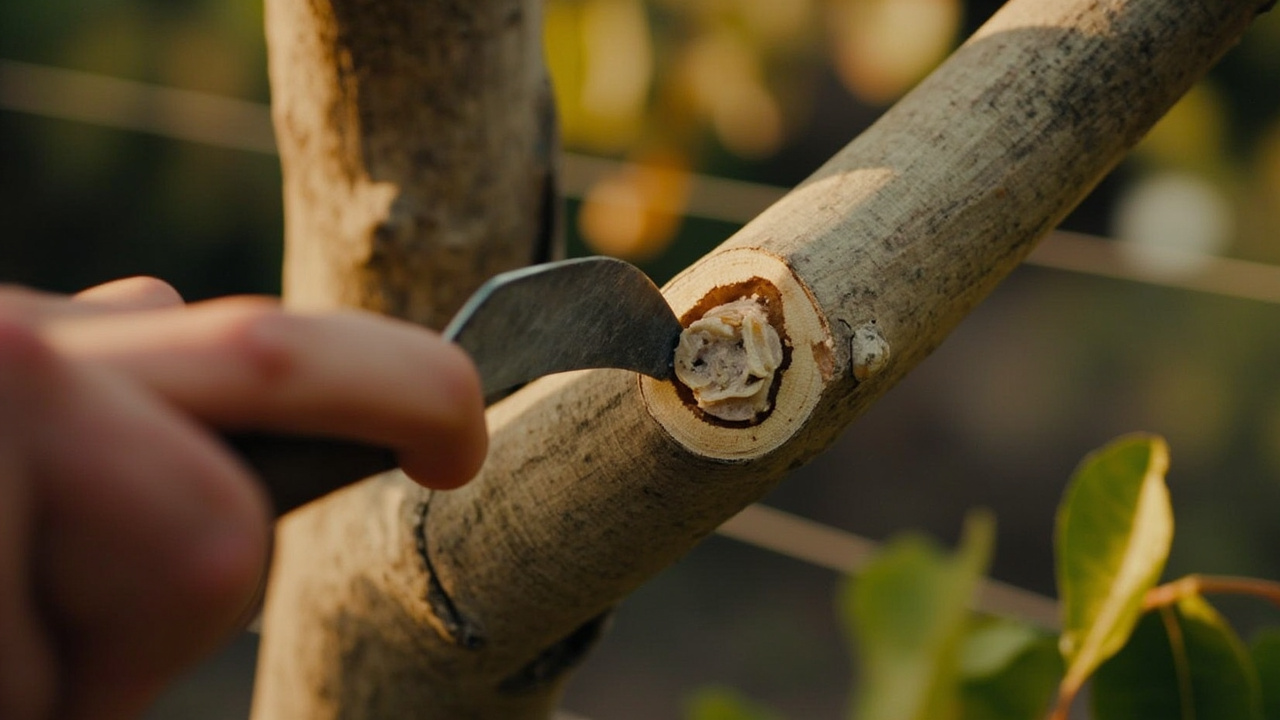
Forget fancy tools. Grab a sharp knife (a $10 pocket knife works). On a healthy branch 1-2m from the trunk, make a 3cm horizontal cut through the bark and 1/3 of the wood. No need for grafting wax. Just cut. Done.
Why? The wound stops the tree from sending sugars down the branch. It forces the tree to build roots at the cut. Simple. Brutal. Works.
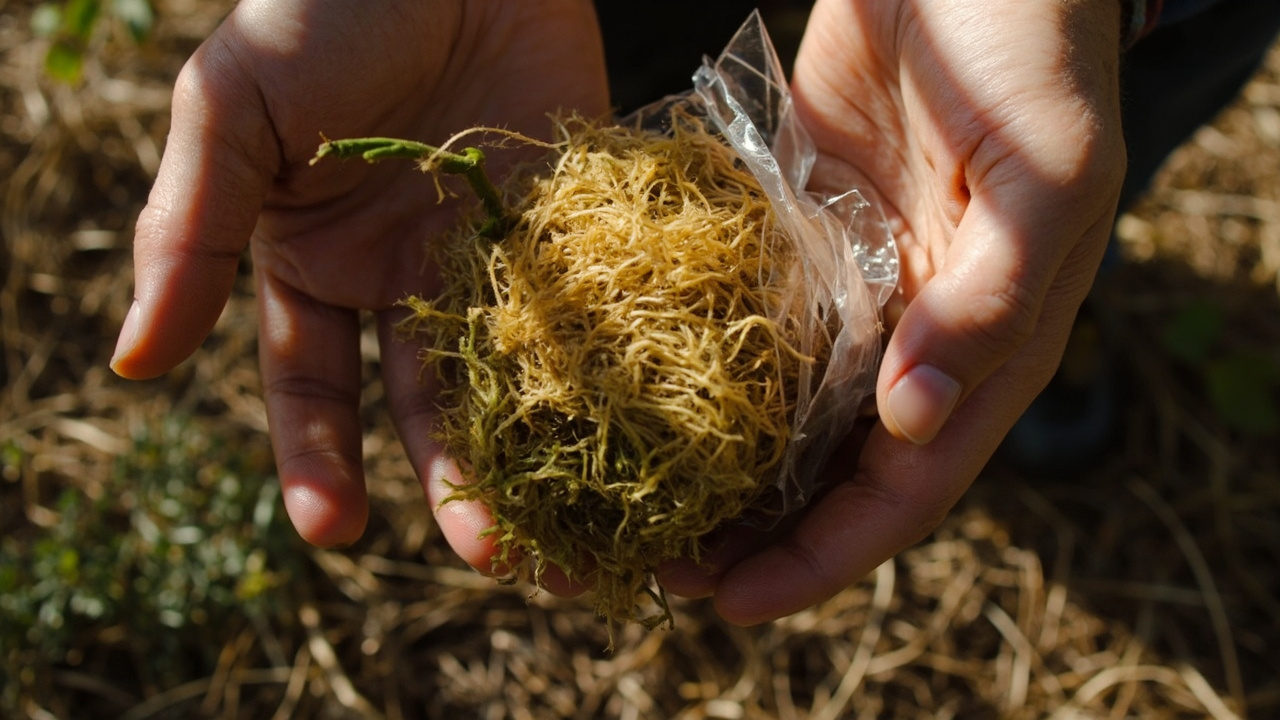
Don't waste money on "propagation moss". Get a handful of damp sphagnum moss from your local garden centre. $3.50 at Bunnings. Or use wet coconut coir (same price). Wrap it around the wound until it's a tight, moist ball. No plastic wrap needed – just a layer of damp newspaper over it, then a ziplock bag. Secure with string.
Tip: If it dries out, you've lost the whole branch. Check it weekly. If it's dry, soak the moss and re-wrap. No excuses.
Spring is ideal (September-October). The tree's actively growing. But if you're in a hurry? Do it now. We've air layered in August and got roots by December. The key is: warm weather. If it's below 15°C, skip it. Roots won't form. Period.
Don't wait for "perfect" weather. If it's 20°C and sunny, do it. If it's raining? Do it anyway. Just keep the moss damp.
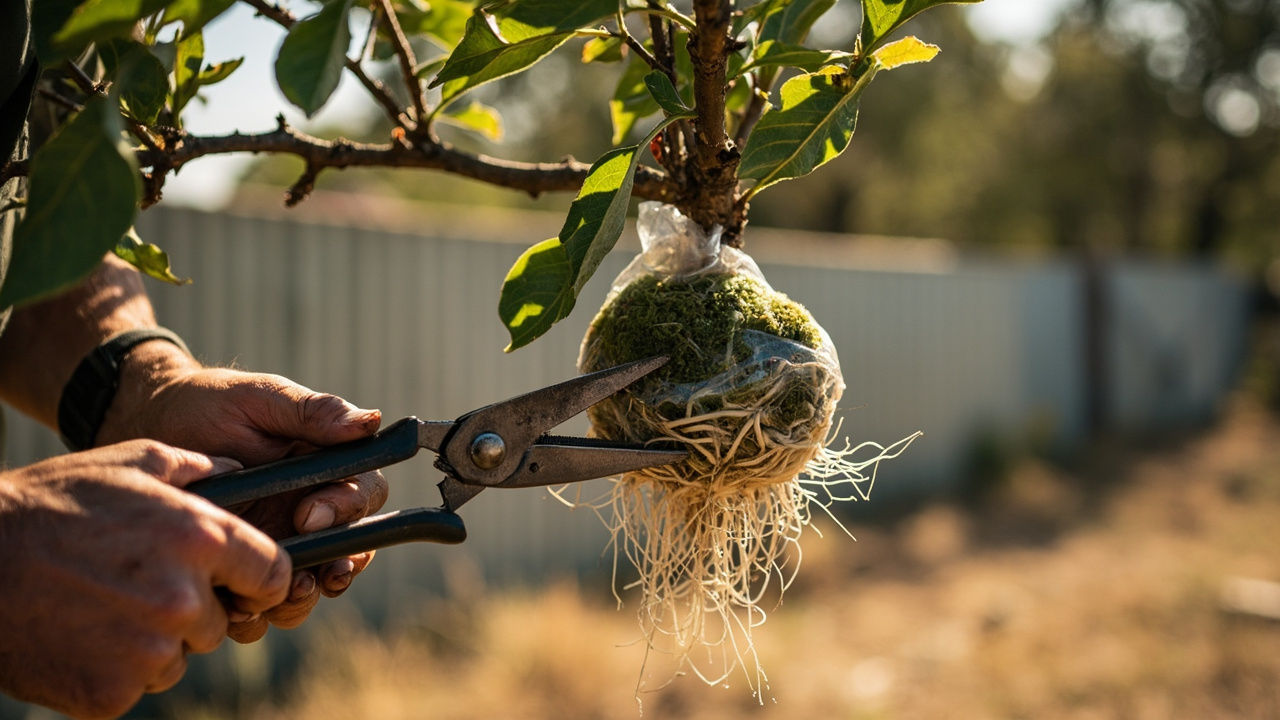
Wait until you see roots poking through the moss (usually 6-12 weeks). The roots need to be thick – like pencil lead. If you cut too early, it'll die. If you wait too long, the branch gets weak. Check weekly. When roots are visible, cut below the root ball.
Use a clean, sharp saw. No more than 10cm below the roots. Plant immediately in a pot with good soil. Water it in. Done. No transplant shock if you do it right.
Nursery trees cost $25-$100. Air layering costs $5 for supplies. You get a tree that's already adapted to your soil, climate, and pests. It's not a "plant" – it's a survivor. We've air layered 200+ trees. 95% success rate. That's not luck. That's how you build an off-grid food forest.
Worth a watch: Air Layer ANY Mulberry Tree 99.9% Success Rate! · QCTropicals
While many off-grid projects are achievable as DIY, certain situations require licensed professionals:
Always check local regulations and obtain necessary permits before commencing work.