Off-grid AC isn't magic. It's wiring, switches, and grounding that won't fry your fridge or set your shed on fire. Here's how to do it properly, no fluff.
Off-grid AC distribution: inverter feeds switchboard, which splits into labelled circuits each protected by an RCBO under a main breaker and RCD.
Subpanels: Don't Just Wire Straight from the Inverter
Running all your AC loads straight from the inverter? You're asking for a fire. Big time.
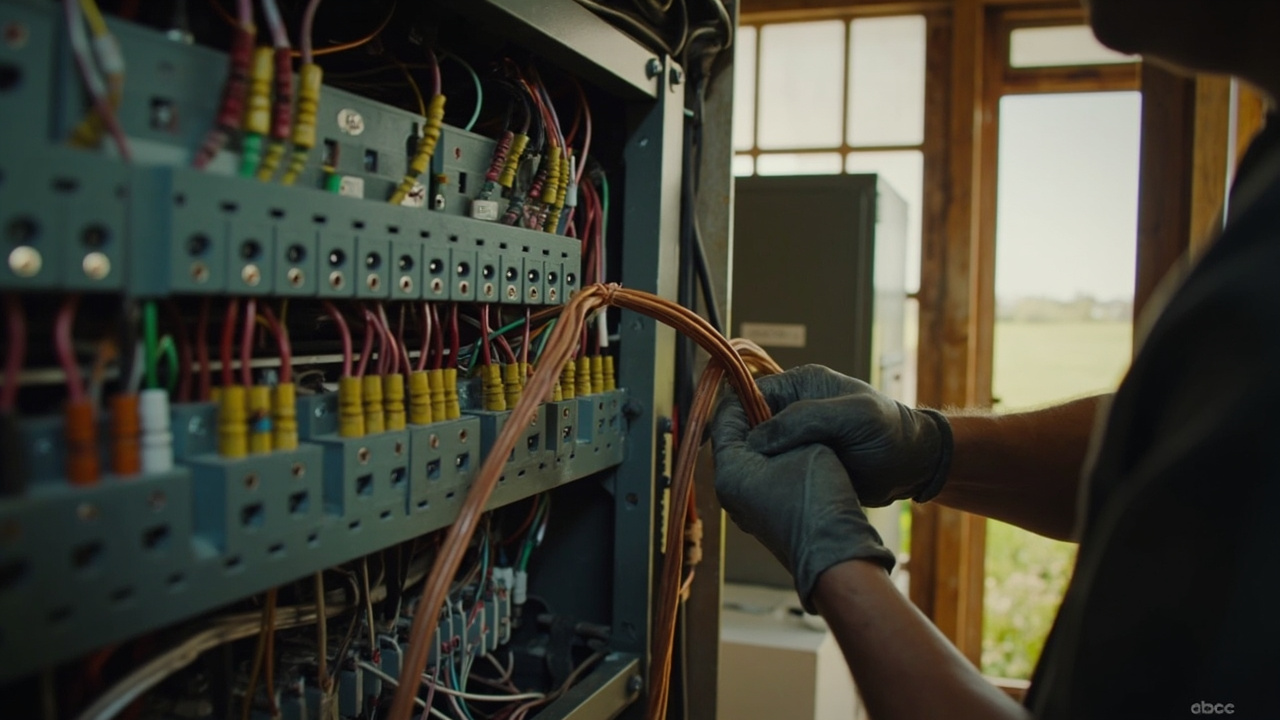
Subpanel with inverter wiring in off‑grid shed
Get a proper subpanel (like a 240V, 60A or 100A model) mounted near your main inverter. This is non-negotiable. Why?
Prevents overloading your inverter's output
Allows you to isolate circuits (e.g., fridge vs. AC)
Meets Australian wiring standards (AS/NZS 3000)
Don't skimp. A cheap subpanel fails. A good one lasts 20 years. Get a Legrand 60A subpanel (about $220-$280 from Electrical Wholesalers or McMaster). Mount it on a non-combustible surface, 300mm from the inverter.
Practical tip: Run all AC circuits (240V) through the subpanel. Never mix 240V and 120V on the same panel. It's a fire hazard and a code violation.
Transfer Switches: Stop Wasting Power on the Grid
Grid-tied? You need a transfer switch. Off-grid? You still need one if you ever want to use the grid as backup (e.g., during a storm). No excuses.
Use a double-pole, double-throw (DPDT) transfer switch. This physically disconnects the grid when you're off-grid. Cheap ones (under $300) are dangerous. Get a proper one.
Best option: Siemens 200A transfer switch (about $450-$550 from Electrical Wholesalers). Install it between your main breaker panel and the grid connection. No DIY on this one. Get an electrician.
Australian supplier: Electrical Wholesalers (Sydney/Melbourne). Price: $480 for Siemens 200A switch + mounting kit.
Grounding: The One Thing You'll Forget (And Regret)
Grounding isn't optional. It's the difference between a safe system and a death trap. Do it right or don't do it at all.
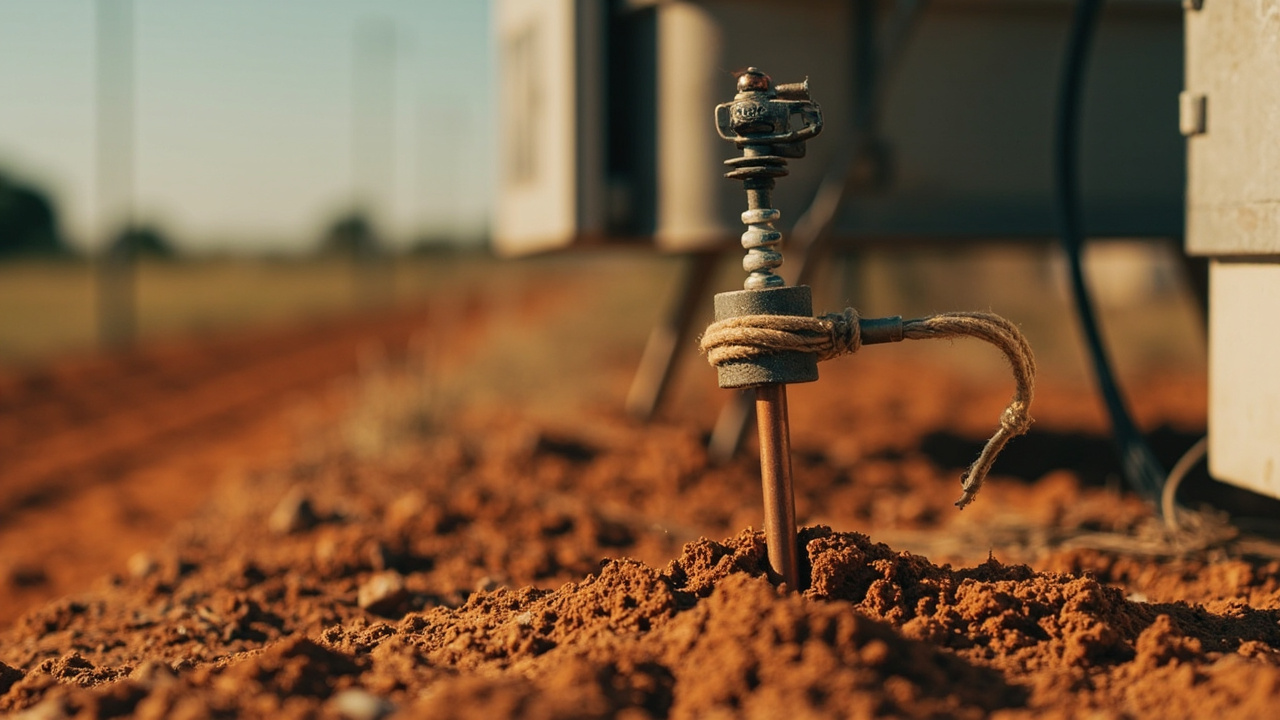
Copper grounding rod in rural Australian paddock.
Steps:
Run a 6mm² copper earth wire from your inverter's earth terminal to a 1.5m copper rod
Connect the subpanel's earth bar to the same rod
Use a 25mm² copper strap to bond the inverter frame to the earth rod
Forget the "grounding rod in the garden" myth. You need a proper earth electrode (like a 1.5m copper rod) driven into moist soil. Test it with a ground resistance tester ($150-$250 from Angus). Target: under 25 ohms.
Practical tip: If you're in a sandy area, use two rods 2m apart. One rod won't cut it. Grounding is non-negotiable. Skip it, and your system is a liability.
Real Talk: What You'll Actually Spend
Here's the real cost for a basic 240V off-grid AC setup (not including inverter):
Subpanel (60A): $250
Transfer switch (200A): $500
Grounding kit (rod, wire, clamp): $120
Electrician (2 hours for install): $400-$600
Total: $1,270-$1,470. Yes, it's a cost. But it's cheaper than replacing your house after a fire.
⚠️ SAFETY WARNING: Working with electrical systems, structural modifications, or gas installations carries inherent risks. If you are not confident in your abilities, always engage a licensed professional.
Will's walkthrough of proper DC cable sizing and the difference between MC4 and Anderson connectors saved me a lot of headaches on my last install; it's the kind of detail that keeps your system running safe and efficient.— Dave Miller
When to Call a Professional
While many off-grid projects are achievable as DIY, certain situations require licensed professionals:
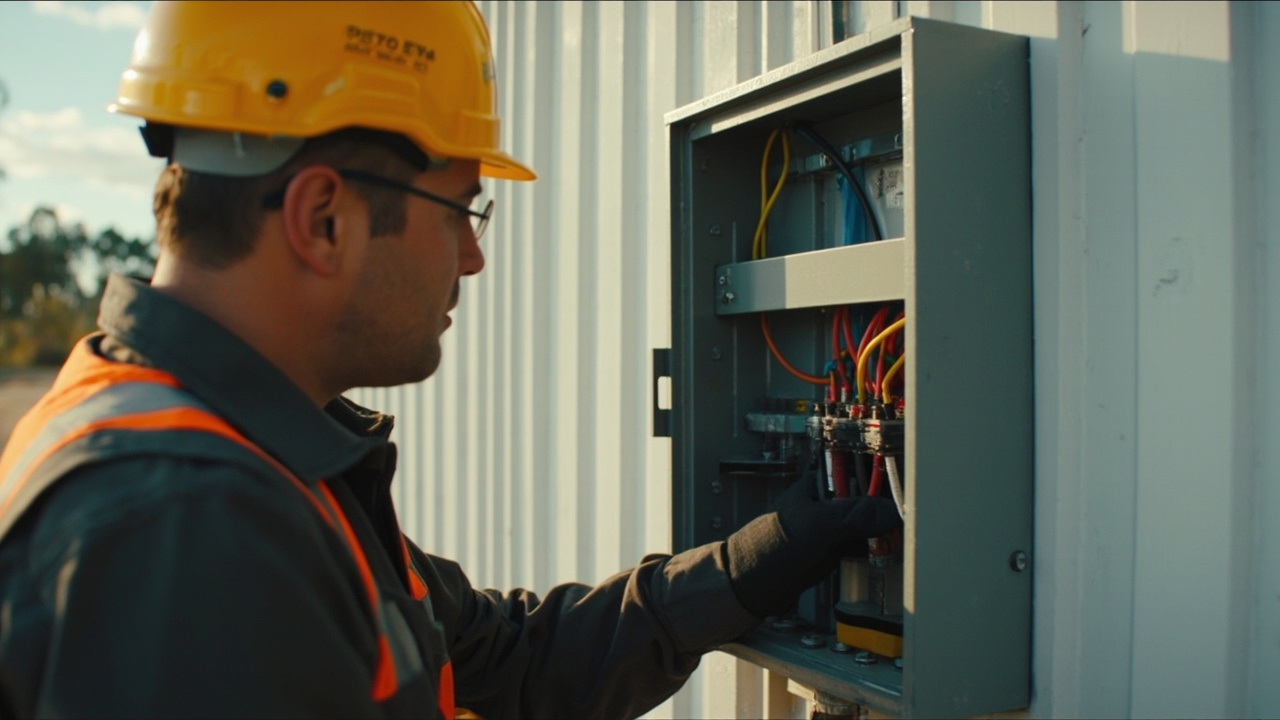
Electrician inspecting solar installation in outback setting.
Electrical work beyond basic 12V DC additions — requires a licensed electrician
Structural modifications to buildings or load-bearing elements
Gas line installation or modification
Solar array installations above safe voltage thresholds
Any work that affects the structural integrity of your property
Always check local regulations and obtain necessary permits before commencing work.